

Magnet Pins vs. Straight Pins: How to Pin a Hijab (Without Holes)
The short answer: Yes — hijab magnets are worth it, especially for delicate fabrics like chiffon and satin. They hold the fabric closed by sandwiching it between two small magnets, so there are no holes and no snags. For jersey, you often need nothing at all. Straight pins and safety pins still have their place, but they leave tiny marks over time. Below is an honest look at each option, where to place pins so your hijab stays put, and a few safety notes worth knowing.
The four main ways to fasten a hijab
Most people reach for one of four fasteners. Each does a slightly different job, and the best choice depends on your fabric and the style you want.
Magnet pins
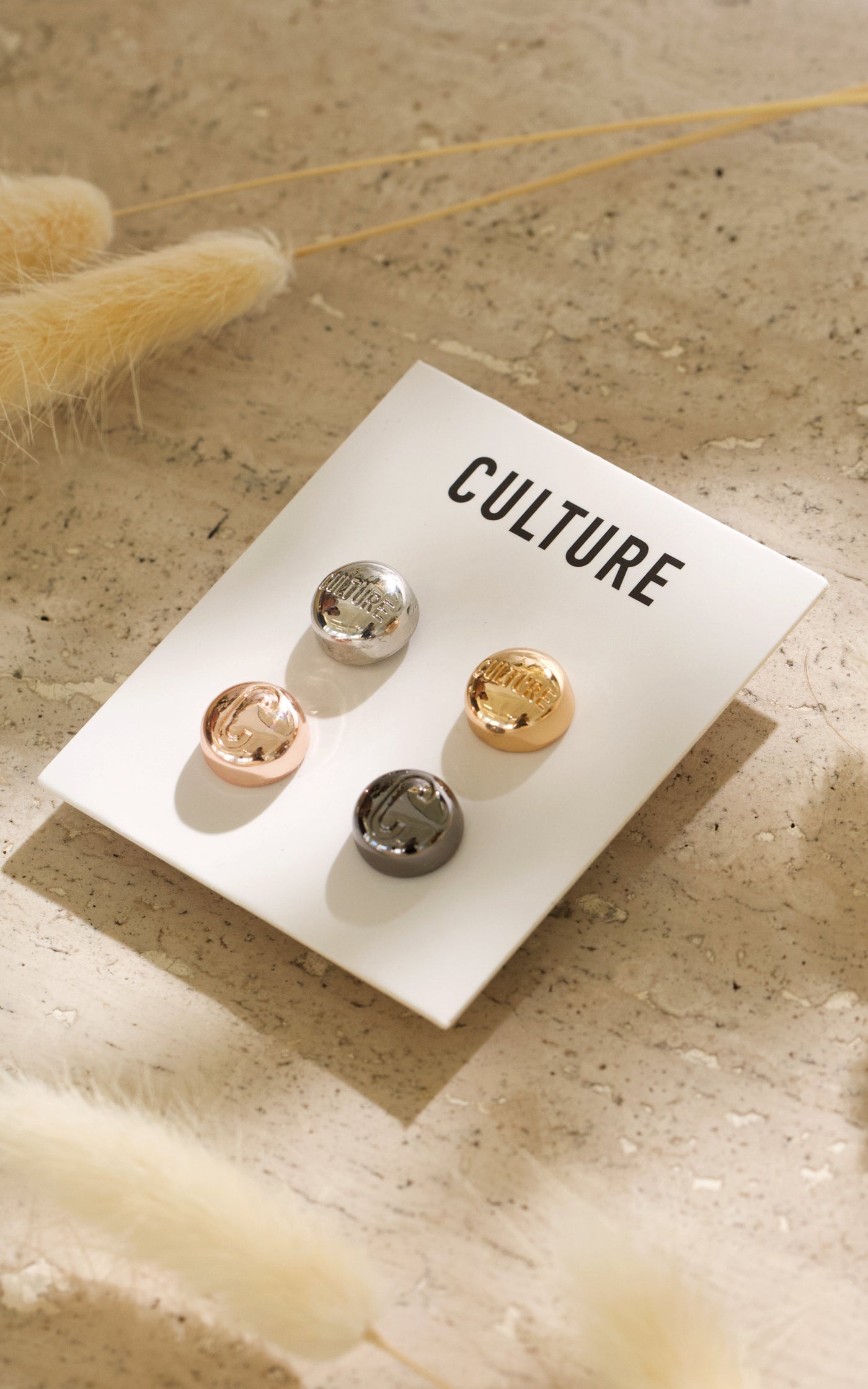
A magnet pin is two small, strong magnets, often dressed up as a decorative button or stone. You place one magnet behind the fabric and one in front, and they grip through the layers. Because nothing pierces the cloth, there are no holes, which makes magnets the gentlest option for chiffon and satin.
Pros: no holes, no snags, quick to position and reposition, doubles as a small accent. Cons: can shift if you use a single weak magnet on heavy fabric, and they need a caution around certain medical devices (more on that below).
Straight pins (dressmaker pins)
The classic hijab pin is a thin straight pin, sometimes with a small pearl or bead head. It weaves through the fabric two or three times to lock a fold in place. It holds firmly and sits flat.
Pros: very secure, inexpensive, nearly invisible. Cons: it does pierce the fabric, so over many wears you may see tiny holes in fine cloth. The point is sharp, so it needs care near the skin and around children.
Safety pins
A small safety pin is the most secure of all, which is why many people use one hidden under the chin for all-day wear.
Pros: locks shut, will not slip out, reassuring for long days. Cons: bulkier than a straight pin, and it leaves a slightly larger hole, so it suits sturdier fabrics like jersey better than fine chiffon.
Clips and undercaps
Hijab clips (and the underscarf or undercap you wear beneath) are not pins at all, but they do a lot of the holding work. A clip can gather fabric at the back or side without any piercing, and a good undercap gives pins and magnets something grippier to hold onto.
Pros: no holes, gentle, easy to use. Cons: less precise than a pin for fixing one exact fold.
Why magnets suit chiffon and satin
Fine, slippery fabrics are the ones most likely to show damage. A single straight pin through chiffon is rarely a problem once, but repeated pinning in the same spot can leave a visible mark or a pull. Satin behaves the same way: the weave is smooth and tightly packed, so a puncture stands out.
Magnets solve this because they grip rather than pierce. The two magnets hold the layers together by pressure, so the fabric stays intact. They also let you reposition as many times as you like while you get the drape right, which is harder to do with a pin you have already pushed through.
If your magnets ever feel like they are sliding on very lightweight fabric, choose a stronger pair, or place a thin underscarf layer behind the magnet so it has more to grip.
Where to place your pins
Placement matters more than the fastener itself. Three spots do most of the work.
At the temple, to stop slip-back
If your hijab keeps creeping backward off your forehead, pin or magnet it at the temple, just above and slightly in front of your ear, anchoring the scarf to your underscarf. This is the single most useful placement for keeping the front line in place. For more on this specific problem, see our guide on how to stop your hijab slipping.
Under the chin, to control the drape
A fastener under the chin sets how snug or loose the scarf sits around your face and stops the two sides from drifting apart. Many people use a small safety pin here for security, since it is hidden and stays shut all day. A magnet works well too if you prefer no holes.
At the shoulder, to hold a draped side
When you throw one side over your shoulder, a magnet or pin at the shoulder keeps that drape exactly where you placed it instead of sliding off as you move. This is where magnets shine, because you can adjust the fall of the fabric and only fix it once it looks right.
Which fabrics actually need pins
Not every hijab needs pinning. Jersey has natural stretch and a slightly grippy surface, so it tends to stay put with little or no fastening, which is part of why it is such an easy everyday choice. You may still want one fastener under the chin for a secure feel, but you can often skip the rest.
Chiffon and satin are the opposite. They are smooth and lightweight, so they move more and benefit from a magnet at the temple and shoulder to hold the shape. If you are choosing a first fabric and want the simplest experience, jersey asks the least of you. If you love the airy drape of chiffon, plan on a couple of well-placed magnets.
For a full walkthrough of wrapping styles, our how to wear a hijab guide pairs well with this one.
A few safety notes
Magnets are convenient, but the strong ones used in hijab pins can interfere with pacemakers and some other implanted medical devices. If you or someone close to you uses a pacemaker, keep strong magnets away from the chest area and ask a doctor before using magnetic pins.
Keep both magnets and loose pins away from small children. Swallowed magnets are dangerous, especially two at once, and a stray straight pin is sharp. Store your pins in a small closed case rather than loose in a bag, and count them when you take your hijab off so none are left in the fabric.
Frequently asked questions
Are hijab magnets worth it?
Yes. For delicate fabrics like chiffon, satin, and fine viscose, magnet pins are the fastest, gentlest fastener: no pin holes, no snags, and no sharp points. The trade-offs are small: a weak magnet can slide on very slippery fabric, and their size makes them easy to misplace.
Do hijab magnets damage fabric?
No. Magnets hold the fabric by pressure between two pieces, so nothing pierces the cloth. That makes them the safest choice for delicate chiffon and satin, where repeated straight-pinning can leave small holes or pulls.
How do I pin a hijab without making holes?
Use magnet pins or hijab clips instead of straight or safety pins. Place a magnet at the temple to stop slip-back and at the shoulder to hold a draped side. These grip the fabric without puncturing it, so there are no holes.
Are magnet pins safe to wear?
For most people, yes. The main caution is medical devices: strong magnets can interfere with pacemakers and similar implants, so keep them away from the chest and check with a doctor if that applies to you. Also keep magnets and pins away from small children.
Does jersey hijab need pins?
Often not. Jersey has stretch and a grippy surface that helps it stay in place, so many people wear it with just one fastener under the chin, or none at all. Smooth fabrics like chiffon and satin need pins or magnets more.
